PROGRAMME
Round Table Day 1
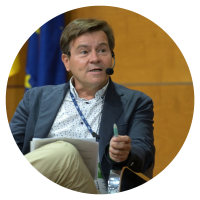
Jesus Barreiro-Hurle is an economist working at the Economics of the Food System Unit at the Joint Research Centre of the European Commission in Seville. He holds a Master of Science in Agricultural Economics and a PhD I Environmental Economics. During this 30-year professional life he has worked as a researcher, university professor and in international organizations such as the Food and Agriculture Organization of the United Nations. In 2009 he joined the European Commission and since 2015 he is working for the Joint Research Centre. Here he transitioned from pure academic research towards research for policy support thereby ensuring that the findings of research could inform real-life policy options. His work focuses on understanding farmer and consumer decisions incorporating a behavioural dimension and has led to more than 100 peer-reviewed publications including papers in leading journals such as the European Review of Agricultural Economics, Journal of Agricultural Economics, Food Policy and the Ecological Economics. He is member of the editorial boards of the Spanish Journal of Agricultural Research and Q-Open and since September 2025 President of the Spanish Association of Agrifood Economics.
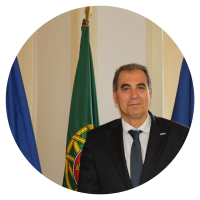
Jaime Piçarra, Agronomist Engineer, 61 years old, married and father of two, specialized in Agricultural Economics and Rural Sociology, began his professional career in 1985 at the Ministry of Agriculture, in the Agricultural Market Information Service (SIMA), and was a member of the Portuguese delegation in the negotiations for the second stage of Portugal’s integration process into the EEC, now the EU. He has followed all the reforms of the Common Agricultural Policy (PAC) since 1992 and is currently participating in discussions on the post-2027 PAC.
Jaime Piçarra is the Secretary-General of IACA, the Portuguese Feed Industry Association. He is Vice-President of the Committee for Industrial Compound Feed Production of FEFAC (the European Feed Manufacturers’ Federation), coordinator of FEFAC’s Task Force on the PAC, and its representative in the Civil Dialogue Groups on Arable Crops, CAP Horizontal Matters, and International Aspects of Agriculture at DG AGRI (European Commission). He also follows sustainability issues, particularly FEFAC’s strategy on sustainable soy. He coordinates the Working Group on Agricultural Policy and External Relations of FIPA (the Federation of Portuguese Agro-Food Industries), represents it on the Monitoring Committee of PEPAC (the Portuguese CAP Strategic Plan), and in Brussels, in the Competitiveness Committee of FoodDrinkEurope, the European Food and Drink Industry Organization. He is also President of the General Assembly of CIB (Centro de Informação em Biotecnologia).
He is the author of several articles on OGMs, agricultural markets, and the Common Agricultural Policy – he writes a weekly column, “Notes of the Week”, in IACA’s Newsletter, also published on Agroportal – and frequently participates, as moderator or speaker, in numerous conferences in Portugal and abroad.
He has been an Honorary Member of FEFAC since April 2016 and an Honorary Member of IAAS/UTAD since March 2019. In 2022, he received the CESFAC Medal for “Personality of the Year,” awarded by CESFAC and the Spanish Government, in recognition of his services and dedication to the feed sector in the Iberian Peninsula and globally. He is also a member of the General Assembly of the EU CAP Network (European Commission), representing FEFAC, and of the CPA, a forum for dialogue between the European Union and the United States.
Given his experience in matters related to food security (feed & food security), he accepted the invitation from the GPP (Office for Planning, Policies, and General Administration) of the Ministry of Agriculture and Fisheries to represent Portugal as a national expert at NATO in the area of supply security and food security, within the FAPG (Food and Agriculture Planning Group).
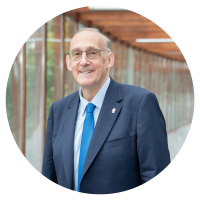
Manuel J. Reigosa Roger
Professor at the Universidade de Vigo since its creation in 1990, graduate in Biology and Philosophy from the Universidade de Santiago de Compostela, where he also obtained a PhD in Biology. Professor of Vegetable Physiology at the University, he was a regular member of governing bodies. It is worth highlighting his work in the three statutes commissions, including the constituent one.
As a governmental responsibilities, he was secretary of the University College of Vigo, director of the R+D Office, deputy vice-rector for Research, twice dean of the Faculty of Science of Vigo (now divided into three faculties), director of the Department of Vegetable Biology and Soil Science and vice-rector of Research.
Manuel Reigosa also coordinated a master’s degree (Terrestrial Ecosystems) and chaired the academic committee of a doctoral programme, which at the time was awarded a mention for excellence.
He is the author of more than 100 research articles and editor of five books for publishers such as Kluwer and Springer, among others. With six six-year research fellowships and six five-year teaching fellowships, he is currently involved in editorial work, including work as editor-in-chief of two JCR journals (Thalassas and Allelopathy Journal) and participation as associate editor in three others (PLOS ONE, Acta Physiologia Plantarum and Weed Biology and Management).

Isabel Ferreira, former Secretary of State for the Enhancement of the Interior and Regional Development of the XXII and XXIII Constitutional Governments. Currently, she is a Member of the Assembly of the Portuguese Republic and Vice-President of the PS parliamentary group.
She is a Principal Coordinating Professor of the Polytechnic Institute of Bragança, of which she was Vice-President, Director of the Mountain Research Center and Mentor of the MORE and AQUAValor Collaborative Laboratories. She coordinated the Scientific Council of Natural and Environmental Sciences of the Portuguese Foundation for Science and Technology, was a member of the Advisory Board of the Science Foundation – Flanders (FWO), and a member of the Committee of Experts monitoring the European Framework Programmes H2020 and Horizon Europe.
She is one of the most cited researchers in the world (top 1%), having been distinguished in the last 9 years in the Essential Science Indicators index, one of the most prestigious indicators of research quality. Her work includes the publication of 4 international books, 60 book chapters, more than 900 scientific articles and several national and European patents, most of them resulting from technology transfer to industry, some of them being the basis for the creation of spin-offs. She received several distinctions such as the Gulbenkian Prize for Stimulating Scientific Research; the recognition for the dissemination of Portuguese science in the world, and mentioned by Ciência Viva – National Agency for Scientific and Technological Culture, in the book Women in Science; In 2019 she received the European Social Innovation Award from the European Commission; in 2022 she was distinguished by Superbrands as a personality of excellence in the area of Science.
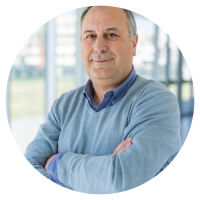
Since 2015 Professor Lorenzo Pastrana is Group Leader of the Food Processing Group, and former Head of the Department of Life Sciences and Chair of the Research Office at the International Iberian Nanotechnology Laboratory (INL). He is also a Professor of Food Science at the University of Vigo and was a visiting Professor at different Universities in Europe and America. He was Director of the Centre of Research Transference and Innovation (CITI) and Head of Knowledge Transfer Office at the University of Vigo. He founded the Galician Agri-Food Technology Platform.
Currently, he is a member of the scientific board of the Portugal Foods innovation cluster.
At INL, his research is marked by a multidisciplinary approach integrating methods and concepts of biotechnology and nanotechnology to develop personalised functional foods (including Food Structure with emphasis on 3D printing materials and encapsulation technologies); active and intelligent food packaging and development of Gut-on-a-chip devices to assess Safe by Design food ingredients.
He is a prolific scientific author (h-index 62), PI of National and European research projects and entrepreneur. In 2025 was included in Stanford/Elsevier Top 2% Scientists List that highlights the world’s leading scientists who have made a substantial impact in their respective fields through their citation influence.
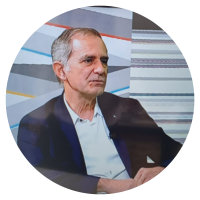
Xosé Lago García
– Degree in Law from the University of Santiago de Compostela
– Degree in Political Science and Sociology (specialization in Administrative Science) from the Complutense University (Madrid).
– Advanced studies about Contemporary Political Processes. University of Santiago de Compostela
– Graduate’s Degree in Political Science. University of Santiago de Compostela
– Civil servant at Galician Autonomous Government (Xunta de Galicia) since 1985.
– Deputy Director of External Action and Cross-Border Cooperation, at the General Direction of Foreign Relations and with the European Union (from 2009 to the present)
– Between 2014 and 2024, part of the management team of the European Grouping of Territorial Cooperation Galicia-North of Portugal, as secretary-deputy director (2014-2017 and 2021-present) or as director (2017-2021)
– Professor at the Galician School of Public Administration, in subjects of administrative law, namely European Community law and environmental law.
Reflective Lecture
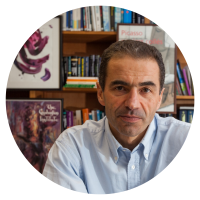
Manuel Heitor is a professor at Instituto Superior Técnico (IST) the engineering school at the University of Lisbon. He served as Minister for Science, Technology and Higher Education for the Government of Portugal in 2015-2022 and as Secretary of State from 2005 to 2011. In 2023 he was appointed by the European Commission to chair the Expert group for the interim evaluation of the Horizon Europe programme.
Plenary Speakers
Isabel Ferreira, former Secretary of State for the Enhancement of the Interior and Regional Development of the XXII and XXIII Constitutional Governments. Currently, she is a Member of the Assembly of the Portuguese Republic and Vice-President of the PS parliamentary group.
She is a Principal Coordinating Professor of the Polytechnic Institute of Bragança, of which she was Vice-President, Director of the Mountain Research Center and Mentor of the MORE and AQUAValor Collaborative Laboratories. She coordinated the Scientific Council of Natural and Environmental Sciences of the Portuguese Foundation for Science and Technology, was a member of the Advisory Board of the Science Foundation – Flanders (FWO), and a member of the Committee of Experts monitoring the European Framework Programmes H2020 and Horizon Europe.
She is one of the most cited researchers in the world (top 1%), having been distinguished in the last 9 years in the Essential Science Indicators index, one of the most prestigious indicators of research quality. Her work includes the publication of 4 international books, 60 book chapters, more than 900 scientific articles and several national and European patents, most of them resulting from technology transfer to industry, some of them being the basis for the creation of spin-offs. She received several distinctions such as the Gulbenkian Prize for Stimulating Scientific Research; the recognition for the dissemination of Portuguese science in the world, and mentioned by Ciência Viva – National Agency for Scientific and Technological Culture, in the book Women in Science; In 2019 she received the European Social Innovation Award from the European Commission; in 2022 she was distinguished by Superbrands as a personality of excellence in the area of Science.

Lan van Wassenaer is Chief Data Economist and Strategic Senior Scientist at Wageningen Social & Economic Research. She holds a PhD in Business Economics and MSc in Agricultural Economics from Wageningen University. Her research focuses on the socio-economic analysis and modelling of current and emerging issues in agri-food systems, with particular emphasis on the economics of innovation and information, risk and uncertainty, transparency, data-driven governance, and evolving business models in the digital era.
In recent years, her research has increasingly centered on the emergence of the data economy and its transformative impact on agri-food value chains. She explores how data-driven governance and digital technologies—such as blockchain, artificial intelligence, and IoT—can enhance traceability, transparency, and compliance, contributing to more resilient and sustainable food systems.
She has extensive experience leading multidisciplinary research and innovation projects at both national and international levels. Her projects often involve close collaboration with policymakers, industry stakeholders, and technology providers to design and assess digital solutions that support evidence-based decision-making and responsible innovation in the agri-food sector.

Dr. Rivas Arreola is a professor and researcher at Universidad Iberoamericana Puebla, with a background that spans chemical engineering (BSc), biotechnology (MSc), and biochemical engineering (PhD), complemented by a postdoctoral research stay in materials science. Her work lies at the intersection of biotechnology, food innovation, and sustainable materials, focusing on the valorization of agro-industrial waste through the development of advanced polymeric matrices. These materials find applications in tissue engineering, functional foods, textiles, and environmental technologies. Over the past 15 years, Dr. Rivas has led or collaborated on multiple academic and industry-linked R&D projects, working closely with national and international institutions to promote sustainable innovation.
In 2017, she was recognized with the “She4She” MujerTec Award by Tecnológico de Monterrey for her work mentoring and promoting women in STEM. She has also served as a judge for innovation and science competitions, including the Talent and Innovation Competition of the Americas (TIC Americas) and the international synthetic biology competition iGEM. Her ongoing work explores the integration of bioactive compounds, emerging technologies, and principles of social and solidarity economy to support sustainable and inclusive food systems.
She is actively involved in networks for science, entrepreneurship, and education, and holds professional diplomas in areas such as social economy, biomaterials, and innovation. Dr. Rivas is currently a member of professional associations including the Institute of Food Technologists (IFT), the Society for Biomaterials, the Mexican Society for Biotechnology and Bioengineering (SMBB), IEEE Bionanotechnology and BioMEMs (BNM), and serves on the board of AMECA (2023–2025).
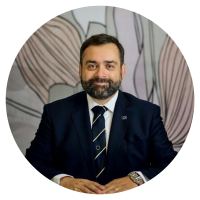
Carlos das Neves is EFSA’s Chief Scientist and has been a member of EFSA’s senior management team since November 2022.
A Portuguese and Norwegian national, Carlos was Director of Research and Internationalisation at the Norwegian Veterinary Institute (NVI) before joining EFSA, and previously served as Head of Virology and Head of Food Safety & Emerging Threats at the NVI. Additionally, he was a Full Professor at The Arctic University of Norway (UiT) from 2012 to 2025.
Carlos is a veterinarian (DVM – Technical University of Lisbon) and holds a PhD in veterinary sciences (Norwegian School of Veterinary Sciences). He also has a Postgraduate Certificate in Public Health from the London School of Hygiene and Tropical Medicine, and a Certificate in Public Policy Analysis from the London School of Economics and Political Science. In April 2024, he has been appointed as a member and co-chair of the One Health High-Level Expert Panel (OHHLEP), the scientific and strategic advisory group to the Quadripartite organisations – Food and Agriculture Organisation, UN Environment Programme, World Health Organization and World Organisation for Animal Health.
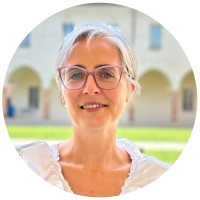
Giorgia Spigno holds an MSc in Food Science and Technology (1999) and a PhD in Chemical and Processing Engineering. She is Full Professor in Food Science and Technology and Head of the Department for Sustainable Food Process (DiSTAS) at Università Cattolica del Sacro Cuore (Italy), where she is also Coordinator of the MSc in Food Science and Technology and where she teaches different courses in Food Processing and Plants, Food Packaging and Risk mitigation in Food processing. Her main expertise is in food processing, food packaging, and process design, optimisation, innovation, modelling, and characterisation and optimisation of food functional properties and shelf-life. She has gained relevant experience in the field of agri-food residues upcycling for the recovery of different compounds (mainly antioxidants and fibres) and their use in the food value chain, including more sustainable food contact materials; in the sector of plant-based proteins, oil structurisation, and rheology. Based on Scopus, she has 124 publications with an h-index of 32.
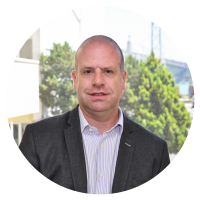
Pedro Queiroz, is a seasoned executive with extensive experience in the agri-food industry, currently serving as General Manager of FIPA – the Portuguese Agri-food Industries Federation.
Actively engaged in shaping the strategic direction and representation of the Portuguese food sector at both national and international levels. Represents the national industry as a member of the Committee of Directors General at FoodDrinkEurope, a prominent voice in European food policy. Also serves as Portugal’s national representative at SPES/GEIE – Spread European Safety and Sustainability. Combines leadership in the food industry with a strong academic background, lecturing in the Master’s in Food Quality and Health at the Faculty of Pharmacy, University of Lisbon, and in the Degree in Nutrition Sciences at the Faculty of Medicine, University of Lisbon. Has also collaborated with several leading higher education institutions across Portugal.
Has been actively involved in numerous national and European research and development projects and is regularly invited to participate in governmental commissions, national platforms, and working groups led by public administration and academic bodies. Frequently serves as a jury member in national food innovation competitions and contributes regularly to the written press on topics related to food policy, innovation, and industry trends. Holds a Master’s degree in Biotechnology – Biochemical Engineering, and a Degree in Biotechnological Engineering, supported by a diverse portfolio of additional training undertaken both in Portugal and abroad.
Keynote Speakers
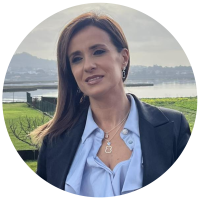
Ana Novo Barros is an Associate Professor with Habilitation from the University of Trás-os-Montes and Alto Douro. She has been the Director of the Centre for the Research and Technology of Agro-Environmental and Biological Sciences (CITAB) for 5 years (May 2017-July 2022) and of Institute for Innovation, Capacity building and Sustainability of Agri-Food production (Inov4Agro) for one year and half (January 2021-July 2022).
She is responsible for the Phytochemicals Laboratory, and Coordinator of the Agri-Food Quality Group. Her research targets are mainly in the identification, separation, and recovery of functional molecules from different natural products, as well as their implementation as ingredients and bioactive compounds in food, pharma and cosmetic industries, with an ultimate goal to extract high added-value molecules and re-use them in the circular economy and industrial symbiosis concepts.
In the last years, she was awarded with several prizes and distinctions. She has published more than 140 scientific documents, including research articles, reviews, and editorials, within the highest impact factor journals in the Food Science and Technology field (37 h-index, SCOPUS, May 2025). She has registered 9 national and international patents. She has international collaborations and is PI and member of several financed research projects with different typologies (last 5 years). She is the coordinator from the European project WASTELESS|TOPIC ID: HORIZON-CL6-2022-FARM2FORK-01-08. Her scientific work has raised interest and has led to the supervision of Post-doc (3 concluded, 1 ongoing), PhD (12 concluded and 7 ongoing), Master (50 concluded and 7 ongoing) and Bachelor (46 concluded) students. She has been member of organizing committees of scientific conferences, presented invited lectures in international and national conferences, and have >400 oral/poster communications, including papers in conference proceedings.
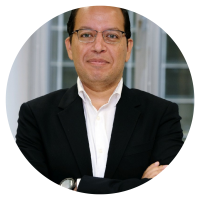
Mohamed Wageih – Project Officer @PRIMA Secretariat Barcelona. Certified STI professional and M&E Specialist from ILO with a track record of expertise in EU projects. Prior to PRIMA, he served as the Director of the Observatory of Business Innovation at a private University and held a pivotal role as an EU Project Coordinator at the Academy of Scientific Research. He was an R&I consultant at various Egyptian and European institutes. Over the years, he successfully developed a portfolio of over 25 EU-funded projects (EuropeAid, FP7, H2020, Horizon Europe, DG NEAR …) across Egypt, Europe, the Middle East and Africa, reflecting his deep understanding of international cooperation and R&I dynamics.
Currently, I’m monitoring more than 45 projects spanning Europe and the MENA region. His visionary leadership has led to the creation of innovative tools such as PRIMA Intelligent Analytical Tool and PRIMA M&E Platform. He has enriched his knowledge through specialized internships at prestigious institutes (UNESCO, WB, DLR, Manchester Univ….) Moreover, he has co-authored several policy reports and a book chapter, represented PRIMA at numerous international conferences, and delivered various training sessions at EU-Mediterranean countries.
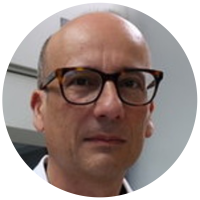
Manuel Vázquez Vázquez is a Full Professor of Food Technology at the University of Santiago de Compostela (Spain). His research focuses on: (a) the biotechnological production of food additives, (b) the application of additives and emerging technologies like HPP in food processing, and (c) the development of new biodegradable materials for food packaging. He has conducted extensive research on the use of by-products from the agri-food industry for the production of the enzyme transglutaminase and its application in the development of various foods, particularly fish and dairy products.
Currently, his work centers on the production of biofilms for use as sustainable food packaging. He has published more than 190 articles in high-impact scientific journals. He served as Editor-in-Chief of CyTA – Journal of Food for over 20 years and is currently a member of the editorial board of Food Hydrocolloids. His research has an h-index of 45, with over 7,500 citations by independent research groups worldwide. In 2005, he received the Young Scientific Award for Excellence in Research from the European Federation of Food Science and Technology (EFFoST).
He is founder of the Galician Association of Food Technologists and a promoter of the Mexican Society of Nutrition and Food Technology.
Avelino Álvarez Ordóñez is Doctor in Veterinary Medicine and PhD from Universidad de León, where he currently develops his professional activity as Associate Professor of the Department of Food Hygiene and Technology and Director of ICTAL (Instituto de Ciencia y Tecnología de los Alimentos). Previously, he worked as a postdoctoral researcher at University College Cork (Ireland; 2010-2013) and Principal Investigator at Teagasc (Ireland; 2013-2016).
Since his appointment at Universidad de León in February 2016, he has secured >2,000,000€ as Principal Investigator of projects funded by the Spanish Ministry of Science, Innovation and Universities, BBVA Foundation and the European Food Safety Authority (EFSA), related to the identification of routes and mechanisms of antimicrobial resistance acquisition and spread through the food chain; one H2020 innovation action project focused on characterizing the microbiome of foods and associated processing environments, and developing biopreservation agents to extend the shelf-life and improve the safety of meat products; and one Horizon Europe Soil Mission project aimed at developing innovative solutions to valorise nutrients and organic matter in food processing side-streams as tailored biofertilizers and soil improvers.
To date, he has published >130 research articles, co-authored >60 EFSA scientific opinions, and acted as keynote speaker at various national and international congresses. Since 2018 he is member of the Panel on Biological Hazards (BIOHAZ) of the European Food Safety Authority (EFSA), and has acted as chair of 7 working groups of the BIOHAZ Panel of EFSA. His main research interests: food safety, food microbiomes, new food processing and preservation technologies, foodborne pathogens, antimicrobial resistance, bacterial physiology and ecology, bacterial responses to stress conditions, and the ecology and biocontrol of microbial biofilms.

Prof. Dra. Patricia Morales is an Associate Professor in the Department of Food Science and Nutrition at the Complutense University of Madrid. Researcher at the ALIMNOVA research group (UCM 951505 – Campus Excelencia Moncloa). Currently, she is a member of the EFSA Panel on Food Additives and Flavourings (FAF) and serves as a scientific expert on the Sweeteners and Re-evaluation & Follow-up working groups.
Her main research interests focus on the study of singular plant sources (as wild edible vegetables/fruits or food by-products derived from plant food processing activities) as new natural sources of food ingredients with functional and technological properties, which include chemical characterization, biological activity evaluation and food safety assessment.
She has published over 150 scientific documents, including research articles, EFSA scientific opinions, reviews and book chapter in the Food Science and Technology. She has also registered national and international patents/utility models.
Mario M. Martinez began his independent research career as an Assistant Professor (Tenure Track) at the University of Guelph (ON, Canada), where he received the College of Engineering and Physical Science (CEPS) Assistant Professor Research Excellence Award from the University of Guelph, the Ontario Early Researcher Award (ERA) from the Government of Ontario, and the Young Scientist Award from the Cereals & Grains Association in the United States. Then, Mario became Associate Professor at Aarhus University, where his research was recognized with prestigious awards and elite grants, including the Nils Foss Talent Prize 2021 (Foss Analytics, Denmark) and the DFF-Sapere Aude excellence project.
In June 2024, he joined the University of Valladolid (Spain) as an Associate Professor and Consolidated Researcher through two talent-attraction programs. Mario is also Adjunct Professor at the Whistler Center for Carbohydrate Research (Purdue University, USA) and editor of the International Journal of Biological Macromolecules.
His research focuses on understanding structure-function relationships of plant biopolymers, establishing analytical methods to elucidate the complex structural features, and exploring chemical, enzymatic, and physical modifications of plant polysaccharides. His team also works on understanding the interactions between food macromolecules and small metabolites in complex systems

Veronica Lattanzio. Chemist. Senior Researcher at the Institute of Sciences of Food Production, of the National Research Council of Italy. She has/had responsibility in several national and international projects relevant to food safety. Coordinator of the H2020 project “FOODSAFETY4EU: Multi-Stakeholder platform for Food Safety in Europe” and then of the “EU FOOD SAFETY PLATFORM” (https://foodsafetyplatform.eu/) ” which main goal is to deliver solutions to support the EC in its endeavour in aligning research, policy and innovation with the societal needs and perspectives and improving food safety across Europe.
Member of the Scientific and Stakeholder Advisory Board of FutureFoodS, the European partnership for a sustainable Future of Food Systems. Her main research domains are i) food contaminants: mycotoxins, pesticides, risk assessment, risk communication, standard/official methods, screening methods, and ii) multi-actor co-creation of input for R&I agendas and policies in the food safety/sustainability domain.
She is Member of the Working Group “Biotoxins” (CEN/TC 275 WG5 “Food Analysis – Horizontal Methods – Biotoxins), of the European Committee for Standardization. She collaborates with the International Atomic Energy Agency (IAEA) as project advisor and expert to provide individual and collective training related to testing chemical contamination for food safety.
M. Beatriz P.P. Oliveira, Full Professor at FFUP, Director of the Master’s Degree in Quality Control, member of an EFSA Scientific Network, and member of a specialized committee of ASAE. She has extensive experience in supervision (26 PhD theses, including 19 collaborations with international institutions, and 110 MSc theses from different institutions) and is co-author of over 530 publications in international journals, 90 in national journals, book chapters, conference proceedings, and around 1,500 communications at national and international scientific meetings (h-index 74 and approximately 20,000 citations).
Her current research focus is influenced by the One Health approach, an integrative concept that recognizes the interdependence between science, food safety/health, and environmental sustainability, promoting a holistic vision to address global challenges related to health and sustainability.
She has always maintained close collaborations with companies in the food sector, leading to several award-winning works. She primarily employs environmentally friendly and sustainable methodologies and holds seven patents in this field of study (two granted in Europe and the USA, and five under international review). The submitted patents have a strong emphasis on the valorization of by-products, with a strong focus on the valorization of olive pomace.

Victor Freitas graduated in Chemistry from the Faculty of Sciences of the University of Porto (FCUP) in 1984, with a specialization in Organic Chemistry. He pursued further studies with a PhD in Biological and Medical Sciences at the University of Bordeaux (1991–1994), where he deepened his knowledge in the field of vine and wine chemistry and biochemistry. He returned to FCUP in 1996 and was promoted to Full Professor in 2011.
He is a member of the Associated Laboratory for Green Chemistry (LAQV) at REQUIMTE, where he coordinates the research group “Food Quality and Technology.”
Scientifically, Victor Freitas has gained international recognition for his innovative research on polyphenols, significantly contributing to the understanding of food flavour and biological properties. Notable honours include the Award from the Division of Agricultural and Food Chemistry of the American Chemical Society (ACS) in 2014 and the Manfred Rothe Award for Research Excellence. In 2024, he was awarded the Scientific Excellence Award from the University of Porto, and in 2025 he received the GP Award from the International Group of Polyphenols.
His scientific output includes over 400 articles in leading journals and more than 20 books or book chapters. He has collaborated with various research groups and companies on national and international projects, mainly within the agri-food sector.
He is an active member of several scientific societies, having chaired the International Group of Polyphenols (2016–2021), served as President of the Organic Chemistry Division of the Portuguese Chemical Society (SPQ), and is currently President of the SPQ Porto Division.
Manuela Pintado has been a Professor at the College of Biotechnology of the Portuguese Catholic University (ESB-UCP) since 2005. In 2017, she became the director of CBQF (Chemistry and Biotechnology Center – State Associate Laboratory), an ESB UCP research unit as well as Associate Director of ESB UCP. She was a member of the Research and Internationalization Group of UCP (2014-2016). She has established a strong interaction with industry, and she has been the Coordinator of Department of Scientific Services for Industry (SETIF) (2013-2016). Additionally, she has been an invited professor at Paraíba Federal University (2012 and from 2014 to 2016).
She coordinated the Task Force of Dairy Products of the College of Biotechnology Industry Association (AESBUC; 2000-2005). Her research interests include biotechnology and biochemistry, carrying out research in a range of key technologies for the production, characterization, and preservation of industrially/traditionally processed products.
José António Teixeira is currently Professor at Biological Engineering Department, University of Minho (since 2001). He has a degree in Chemical Engineering from University of Porto (1980) and a PhD in Chemical Engineering also from University of Porto (1988).
José António Teixeira has been developing his research activities in two main areas: Industrial Biotechnology, including bioprocess development for the valorisation of agro-industrial residues and new design bioreactors and continuous processing, and Food Biotechnology, including non-conventional food processing and food nanotechnology.
He supervised/supervises numerous researchers, including 52 PhD students and 25 post-Docs. He was Principal Investigator in 39 projects with external financial support. He edited 6 books and published more than 750 papers in peer reviewed journals (h-index of 102 for Scopus/ISI) being named Highly Cited Researcher in 2018, 2019, 2020, 2021, 2022, 2023 and 2024.
Dr. Paola Giavedoni is an Food-System expert, with extensive international experience in the sector.
Grounded on an early scientific career (she owns a Master in Food Science and a Doctorate in Food Biotechnology), she worked 25 years in the Food Industry (at Unilever, Chiquita, & Migros) in different managerial & leadership roles in R&D and Innovation, developing new products and technologies in different product categories.
From 2019 to 2022, Paola joined EIT food (European Institute of Innovation & Technology) as Director of Innovation and Member of the Management Board. In this capacity, she was responsible for bringing together key actors from across Europe to accelerate the delivery of innovative solutions, and therefore support the transformation of the agrifood sector.
Since 2023 Paola is an independent senior consultant and holds the role of Head of Global Collaborations at Foodvalley in The Netherlands. In this role she contributes to the development of AgriFood Ecosystems and Hubs around the World, by deploying the Foodvalley Practical Approach and by transferring knowledge and best practices.
Paola is also EU Expert and Reviewer and Advisory Board member.

Rui Costa Lima stands as a leading specialist and innovator in sensory science and perception, with a degree in Food Engineering from the Portuguese Catholic University. With over 25 years of experience, he currently manages Sense Test, pioneering advanced methodologies that bridge sensory analysis, consumer research, and emerging food products and technologies. He is responsible for Sense Test’s participation and leadership in high-impact European and national projects – such as H2020 Susinchain, Transit, CLabel+ and VIIAFood.
Rui Costa Lima’s work is distinguished by a strong scientific component: he has authored and co-authored dozens of publications, book chapters, and intellectual property on consumer acceptance and advanced methodologies. His active presence in international conferences – including Pangborn and Eurosense – complements his role as an invited lecturer for postgraduate programs.
He is a regular member of technical and regulatory committee CT114, serves as technical auditor for sensory panel accreditation in various wine regions, and is the current representing Sense Test at the Colab4Food association, helping to catalyse innovation between industry and academia. Recognized for both scientific rigor and bold innovation, Rui Costa Lima is a frequent speaker, shaping the future of food through research-driven transformation.
Round Table Day 3
PORTUGALFOODS | Deolinda Silva
PortugalFoods is a non-profit association, founded in 2008, and officially recognized by the Portuguese Government as the managing entity of the Portuguese Agrofood Cluster.
With over 200 members – including startups, SMEs, large companies, and scientific and technological institutions such as universities and R&D centers – PortugalFoods supports collaboration across the agrifood sector.
Created with the vision of becoming the reference partner for the Portuguese agrifood sector, PortugalFoods acts as a collaborative platform where its members build win-win relationships. Its mission focuses on the transfer, application, and economic valorization of knowledge to foster innovation, competitiveness, and the internationalization of Portuguese food and beverage companies.
PortugalFoods also promotes the visibility and positioning of the Portuguese agrifood sector in international markets, contributing to the global recognition of national products, companies, and capabilities.
Its core areas of expertise are innovation and internationalization, which are operationalized through two main departments:
The Knowledge Division, focused on the PortugalFoods Observatory, support for R&D projects, and the national coordination of the ECOTROPHELIA competition.
The Market Division, dedicated to strengthening exports, empowering companies through international promotion, and identifying business opportunities.
PortugalFoods plays a key role in promoting and disseminating advances in science and technology, as well as in showcasing new products, effectively connecting consumers, retailers, and the industry through strategic information and collaborative innovation.
CLUSAGA | Helena Jamardo
Clusaga, Galicia’s leading agri-food cluster, represents more than 150 members from across the value chain. It contributes to the strengthening, promotion, sustainable growth and improvement of competitiveness and internationalisation of Galicia’s food sector.
PÃO DE GIMONDE | Elisabete Ferreira

M FERREIRA & FILHAS LDA – Pão de Gimonde is a family business, in the market since the 1960´s. They have been producing bread food products based on traditional recipes, being regionally and nationally recognised as a notorious producer of quality products. Their growth strategy in the last years has been focused on reaching markets outside Portugal and in developing innovative products.
PROENOL | Filipe Centeno
Founded in 1985, Proenol is a Portuguese biotechnology-based company whose core business focuses on the development of innovative oenological and food solutions using microorganisms.
The company’s first major innovation was the development of a unique industrial process for the immobilization of microorganisms. The resulting products have various applications in oenology, ranging from the fermentation of sparkling wines to the biological deacidification of musts and the effective treatment of stuck fermentations. These unique solutions are essential for achieving more efficient winemaking with optimized costs.
More recently, the company has developed a process for the production and extraction of yeast proteins with applications in both the wine and food industries. These new products are the result of several years of research and development, contributing to precision oenology. In the food sector, these proteins and their derivatives are highly functional, enabling the development of high-protein, vegan, and clean-label products — all with a neutral and balanced sensory profile.
The merit and recognition of Proenol’s technical quality in its products and services are demonstrated by its sustained growth and significant financial commitment to continuous investment across all business areas
CASA MENDES GONÇALVES | Carolina Dias

Flexibility to think differently.
Casa Mendes Gonçalves wants to be a reference for the future of the food industry, with profitability, a high level of demand, and a positive impact on the people, the society, and the environment.
Innovation is our watchword and what we strive for every day.
Our brands:
– Peninsular
– Paladin (https://www.paladin.pt/)
– Dona Pureza (www.donapureza.pt)
LANDRATECH | Pedro Babo
LANDRATECH Lda is a Portuguese start-up company rooted in the valorization of endemic forest resources as a path toward sustainable, resilient, and nutritious food systems. Founded in 2020 by Pedro Babo, PhD, LANDRATECH translates scientific research and ecological knowledge into high-value, bio-based ingredients derived from acorns and other native species.
The company’s work is guided by a circular bioeconomy vision, connecting forest owners, research institutions, and agri-food industries in collaborative innovation networks. Through this integrated approach, LANDRATECH promotes regional resilience, biodiversity valorization, and low-impact production models that redefine how local ecosystems contribute to global food security.
LANDRATECH’s R&D activity extends across European and Mediterranean partnerships, including LandFood, WebLand, Acorn4MED, and MEDACORNET, fostering knowledge exchange between academia, industry, and territorial stakeholders.
At its core, LANDRATECH embodies a science-based and network-driven approach to the future of sustainable nutrition –transforming underutilized forest resources into opportunities for innovation, health, and regional development.
NÉBODA FARMS | Iván García Besada
Néboda develops scientific and technological solutions to optimize indoor vertical farming. Its model integrates industrial engineering, plant biology, and artificial intelligence to precisely control all growing parameters – light, climate, irrigation, nutrients, and CO₂ – maximizing photosynthetic efficiency and crop quality. The company applies Lean manufacturing methodologies adapted to agriculture, enabling cost reduction, minimal direct labor, and scalable production systems.
Néboda has successfully cultivated basil and leafy greens with a significantly longer shelf life, free from pesticides and herbicides, and using 90 % less water. Its goal is to transfer this expertise to the production of premium salad mixes, advancing toward fully automated and energy-efficient vertical farming facilities capable of sustainable year-round production.
GRUPO CUEVAS | M.ª Rocío Cid Díaz
Cuevas y Cía, a company belonging to the Grupo Cuevas business group, specializes in chestnut processing, with a special focus on the production of marron glacé and other products derived from this unique and distinctive fruit of Galicia. From its facilities in Ourense, the company combines tradition, technology, and environmental commitment to offer high-quality products that respect the natural essence of the chestnut.
Chestnuts as a superfood in new nutritional trends. In a context of growing interest in healthy eating, chestnuts are positioned as a functional food, rich in fiber, minerals, and antioxidants, low in fat, and gluten-free. Cuevas y Cía leverages these properties to develop products that respond to the demands of consumers who are increasingly conscious of their health and well-being.
With a long history of experience exporting products to more than 30 countries around the world, Cuevas y Cía actively contributes to the development of the Galician agri-food sector, promoting innovation, sustainability, and collaboration with training centers and scientific institutions, boosting the local economy, fostering rural employment, and promoting the added value of a local product like the chestnut.